

Financial education might sound like something for adults, yet it begins much earlier than most parents expect. Studies show that many money habits start forming around the age of seven. That means everyday moments at home shape how kids think about spending, saving, and making choices.
The good news is that teaching kids about money does not require a finance degree or complicated tools. Most lessons come from normal routines, small conversations, and simple experiences. When parents treat money as a normal topic, kids start to understand how it works in the real world.
Children learn best when money feels real and connected to daily life. The following five approaches help kids understand financial basics in ways that feel natural, practical, and easy to remember.
Start With Real Money Experiences
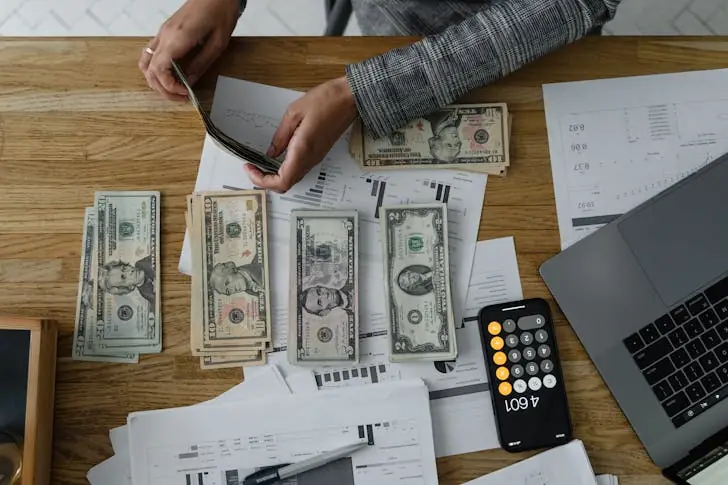
When children physically handle coins and banknotes, money starts to feel real rather than abstract. Something simple like setting up a pretend store in the living room can quickly turn buying and selling into an activity they understand and enjoy.
Parents don’t need formal lessons to introduce these ideas. Everyday situations often work better. Counting coins together or letting a child watch while paying for groceries—while explaining the total—helps them see how money moves in everyday life. These small moments gradually form habits and understanding that stay with them.
Another approach many families use is the three-jar system: one for saving, one for spending, and one for sharing. Whenever a child receives a bit of money, they divide it between the jars. Seeing the money separated like this helps them understand that it can serve different purposes.
Connect Work With Earning
As kids get older, it becomes important to link effort with income. Children benefit from understanding that money usually comes from work rather than appearing automatically. Assigning small chores in exchange for an allowance helps reinforce that idea.
Parents can explain that helping around the house—folding laundry, organizing toys, or watering plants—contributes to the family. Receiving a small payment afterward connects effort with reward.
Turn Shopping Into a Money Lesson
Shopping often feels like a routine task, but it can easily become a learning opportunity. A simple trip to the grocery store can introduce children to ideas about prices and choices.
Parents might ask kids to compare two similar items and look at the difference in cost. Children are often surprised that similar products can have different prices. That discovery introduces the idea of value.
Introduce Banking Early

Children begin to see that money can be kept safe and gradually grow over time.
A visit to the bank or checking the account balance together helps turn an abstract idea into something tangible. Over time, kids start to understand that saving money can lead to long-term rewards. Watching even small increases in the account makes the idea of interest easier to grasp.
Talk Openly About Money
Money can feel like a sensitive topic in many households, so it often goes unspoken. Unfortunately, silence can leave children unsure about how financial decisions are made. Honest, simple conversations can change that.
Parents don’t need to reveal every detail of their finances. Talking about everyday choices—like budgeting for groceries, saving for a holiday, or planning a family trip—helps children see how adults think about money. They begin to understand that spending involves priorities and trade-offs.