
There is no clear line where ultra-processed food suddenly becomes risky. Research now shows a steady climb in health risk with every extra serving you eat. That means even small amounts can add up over time, especially when they become part of your daily routine.
Scientists call this a dose-response relationship. Each additional serving slightly raises your chances of problems like heart disease, type 2 diabetes, and weight gain. A 2026 study in the Journal of the American College of Cardiology found that every extra serving per day increased heart disease risk by about 5%.
The “10 - 15% Threshold” That Experts Talk About
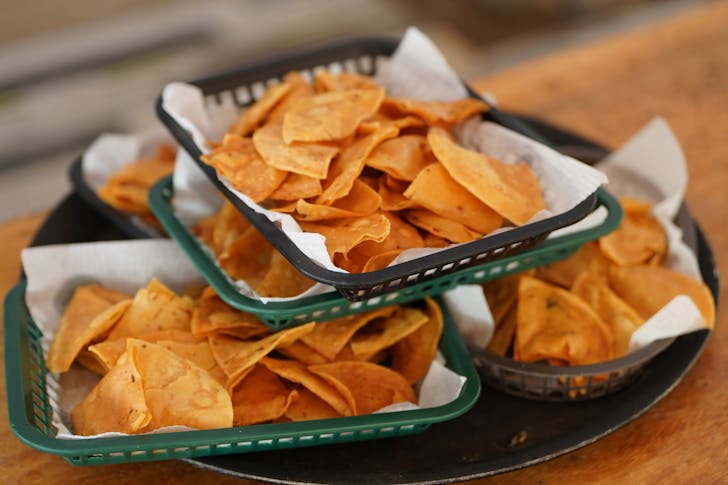
Ham / Pexels / The American Heart Association reviewed a large body of research in 2025 and found that risks rise more sharply when ultra-processed foods account for more than 10 to 15% of daily calories.
For someone eating 2,000 calories a day, that equals about 200 to 300 calories.
That amount is smaller than most people think. It could be a small bag of chips and a sugary drink, or a couple of cookies and a frozen snack. Once intake goes beyond that range, the risk curve starts to climb faster.
The 2025 - 2030 Dietary Guidelines for Americans mark a big shift in tone. Instead of just suggesting moderation, they now clearly say to avoid or limit ultra-processed foods. That includes things like sugary cereals, packaged snacks, soda, and ready-to-eat meals.
This change reflects how much the food environment has shifted. Around 60 to 70% of the modern food supply falls into the ultra-processed category. When most available options are processed, small daily choices can quietly shape your health in a big way.
The guidelines also move away from focusing only on calories. They push for better food quality instead. Whole foods like fruits, vegetables, eggs, fish, beans, and dairy take center stage. This approach focuses on what your body actually needs, not just how much energy you consume.
Not All Ultra-Processed Foods Hit the Same
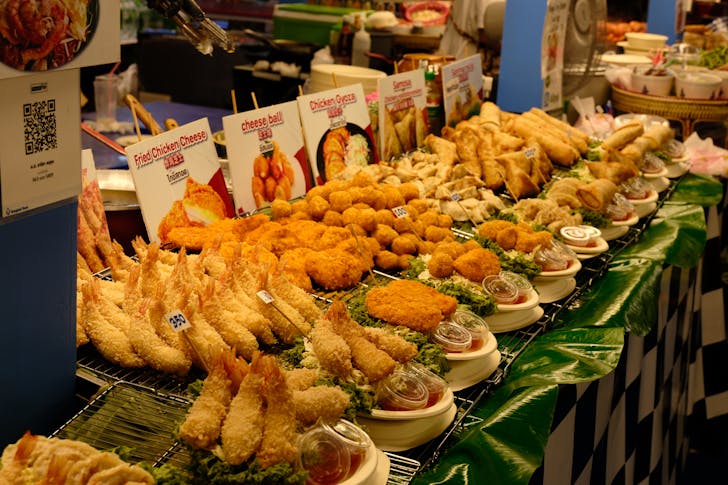
King / Pexels / Processed meats like bacon, sausages, and hot dogs show strong links to disease in multiple studies. Sugary drinks also stand out as major drivers of health problems.
Other items sit in a gray area. A whole-grain packaged bread with low sugar is very different from a frosted cereal loaded with additives. Some plant-based alternatives are processed but still offer benefits like lower saturated fat. That does not make them “healthy,” but it changes how they fit into your diet.
Start with simple swaps. Choose fruit instead of candy when you want something sweet. Pick plain yogurt over flavored versions loaded with sugar. Cook at home a few more times each week. These small shifts reduce your intake without making life harder.
Another useful habit is reading labels with a critical eye. Long ingredient lists filled with additives often signal heavy processing. Foods that look closer to their natural form tend to be better choices. Over time, these small decisions build a diet that supports your health instead of working against it.
So, Is There a Safe Amount?
The honest answer is that there is no guaranteed safe level, according to the 2025 - 2030 Dietary Guidelines. The science shows a gradual increase in risk, not a sudden tipping point. That said, keeping ultra-processed foods below 10 to 15% of your daily calories is a practical target backed by current research.
Think of it as a ceiling, not a goal. Staying well below that range gives your body more room to thrive. Every reduction counts, even if it feels small in the moment.
In the end, your overall pattern matters more than any single meal. A diet built around real, minimally processed food gives you the best shot at long-term health. Ultra-processed foods can still have a place, just not the starring role.