
Food cravings can appear at the most unexpected moments. One minute you feel perfectly fine, and the next you cannot stop thinking about cookies, chips, or chocolate. Many people assume cravings always mean the body needs food, but that is not usually the case. In many situations, the brain is looking for comfort, distraction, or a quick reward instead of actual nourishment.
Registered dietitian and TODAY Nutrition and Healthy Lifestyle Expert Joy Bauer says the best way to handle cravings starts with one surprisingly simple habit. Instead of reacting right away, take a short pause. That small delay gives the brain time to settle and helps you decide if you are truly hungry or simply responding to an emotion. This approach works alongside healthy eating habits and can make cravings feel much easier to manage.
Pause Before Reaching for Food

RDNE / Pexels / Joy Bauer calls this strategy "pause before you pounce," and it starts with one simple action. When a craving hits, avoid grabbing the snack immediately.
Give yourself five to ten minutes before making a decision. That brief break creates space between the craving and your response.
Cravings usually build quickly before fading away. They often behave like waves that rise and then slowly settle. Waiting a few minutes helps you ride out that first rush instead of reacting on impulse. Even if you still choose the treat afterward, the decision becomes more thoughtful instead of automatic.
That short pause has another important purpose. It gives you time to ask yourself what is actually happening. Are you tired after a long day? Are you stressed because of work? Has boredom crept in during a quiet afternoon? Those feelings often disguise themselves as hunger.
Naming the emotion removes much of its power. Instead of feeling controlled by the craving, you start understanding why it appeared. Once the real cause becomes clear, you can respond to the actual problem instead of trying to solve every uncomfortable feeling with food.
Your Brain Loves Quick Rewards
The brain naturally enjoys things that feel rewarding. Foods packed with sugar, fat, and salt activate pleasure centers that release dopamine, a chemical linked to motivation and enjoyment. That response makes highly processed snacks especially tempting during stressful or emotional moments.
However, this does not mean those foods are bad or should never be eaten. It simply explains why it can feel difficult to resist. Understanding how the brain works helps remove guilt from the situation. Instead of blaming yourself, you can focus on building habits that make those cravings easier to manage.
Not Every Craving Needs to Be Ignored
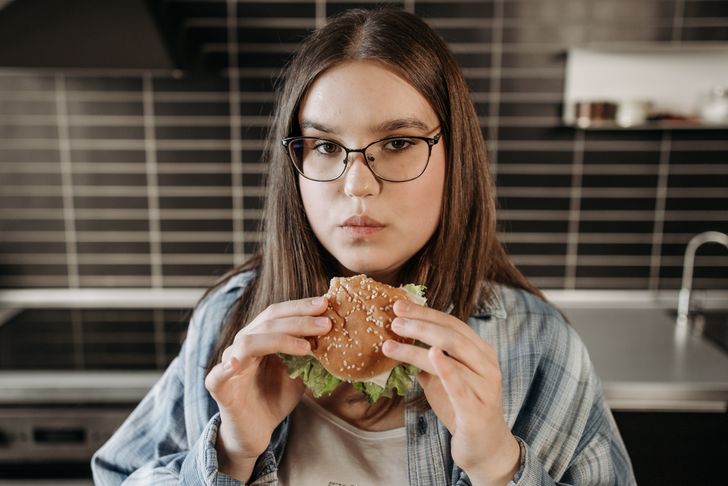
Pavel / Pexels / Many people believe healthy eating means saying no every single time. That mindset creates frustration and can even make cravings feel stronger.
Bauer encourages a more balanced approach that allows flexibility instead of strict food rules.
If you still want the treat after taking time to pause and reflect, enjoying a reasonable portion is perfectly acceptable. The goal is not perfection. The goal is to learn to make conscious choices instead of acting without thinking. That small difference often leads to healthier habits over time.
Once you know what caused the craving, focus on fixing that issue directly. Feeling exhausted calls for extra rest instead of another sugary snack. Stress may improve after a short walk, deep breathing, or talking with someone you trust. Boredom often disappears once you switch to a more engaging activity.
Addressing the true need leaves you feeling much more satisfied than reaching for food alone. You still care for yourself, but you do it in a way that matches what your body or mind actually needs. That simple shift can reduce repeated cravings throughout the day.
Remember, your food choices play a major role. Bauer recommends eating satisfying meals that include protein and fiber because they help you stay full longer. A breakfast with eggs and whole-grain toast or yogurt with fruit and nuts can reduce the urge to snack before lunch.