
Chris Kempczinski did not expect to become a meme. He wanted to promote a new burger, but got roasted instead.
In early February 2026, the McDonald’s CEO posted a video to Instagram. The goal was simple. He wanted to build hype around the new Big Arch burger. The sandwich looked massive and loaded with cheese. The marketing idea felt safe and familiar.
View this post on Instagram
The internet had other plans. Viewers did not focus on the burger. They focused on him. His stiff posture stood out right away. His tiny bite confused people, and his tone sounded more like a boardroom meeting than a food video.
People started joking fast. Some said he looked like he had never eaten a burger before. Others said he looked like a robot trying to act human. A few joked that he seemed like a hostage reading a script. It got worse when he called the burger a “product.” That one word made everything feel cold. Fast food is supposed to feel fun and messy. His delivery felt controlled and distant.
Kempczinski finally spoke about the backlash in April 2026. His explanation surprised everyone. He did not blame the script or the camera crew. He blamed his mom, and said she taught him not to talk with his mouth full. That rule stuck with him. He followed it so strictly that it made him look awkward on camera. And he even joked that he should ignore that advice next time.
At the same time, the excuse felt like a clever dodge. It shifted the focus away from him. Instead of being the awkward CEO, he became the polite son. That small change mattered more than it seemed.
He tried to fix things with another video. This time, he ate a Chicken McNugget. The second attempt did not help. Viewers said he looked even more uncomfortable. The internet doubled down. Comments pointed out that nothing had improved. Some even said the nugget clip felt more forced than the burger video.
Why Aristotle Would Actually Agree?
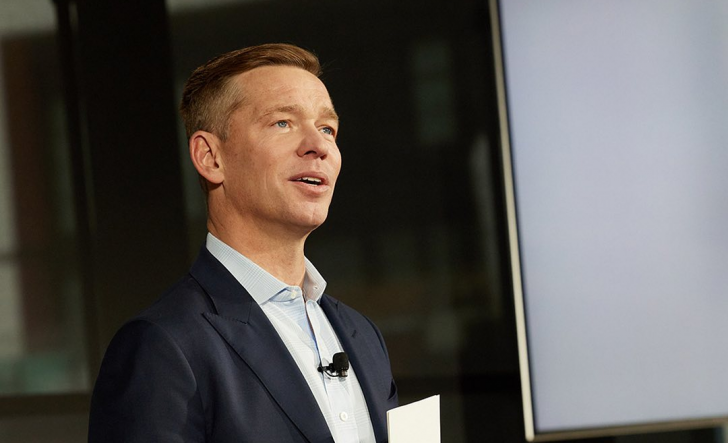
@chrisk-mcd / Instagram / Aristotle believed persuasion rests on three pillars. These are 'logos,' 'pathos,' and 'ethos.' Logos is about logic. Pathos is about emotion. Ethos is about character.
Kempczinski struggled with the first two. His video lacked clear excitement. It also lacked emotion. He did not look like he enjoyed the food. His excuse, though, worked on ethos. By mentioning his mother, he showed a part of his character. He came across as someone shaped by strong values.
That makes people trust him more, even if the video failed.
Aristotle argued that people trust speakers who show good character. This includes wisdom, virtue, and goodwill. Talking about his upbringing hinted at all three. It also tapped into something deeper. Family rules feel universal. They remind people of their own lives. That connection builds a quiet sense of trust.
In a strange way, the excuse did its job. It did not fix the video. It softened the reaction. And it gave people something else to talk about. Instead of only mocking him, people started laughing with him. That shift matters in public perception. It changes the tone of the conversation.
The Aftermath
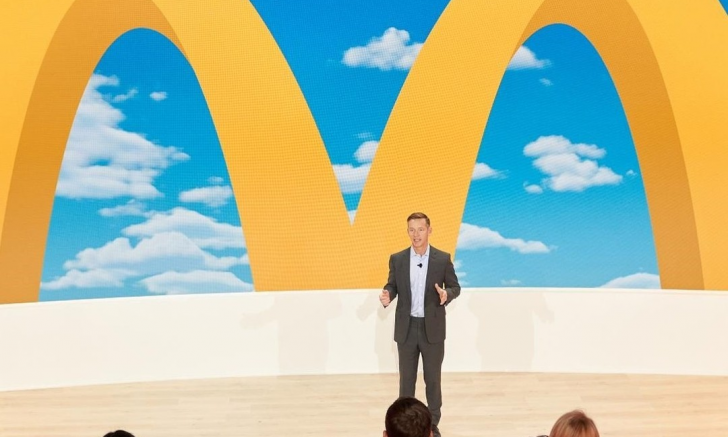
@chrisk-mcd / Instagram / Kempczinski seemed unfazed. He admitted he has ‘thick skin.’ The CEO even shared that his kids told him about the viral moment.
The business side told a different story. McDonald’s stock stayed strong. Reports showed a steady rise over the past year. The viral moment did not hurt sales. That contrast says a lot. Online attention can feel intense. It does not always translate into real damage. Sometimes it just becomes noise.
There is also a lesson about authenticity. People expect leaders to act naturally on camera. When something feels forced, they notice right away. Kempczinski’s videos felt too controlled. The second attempt tried to fix that. It still missed the mark because it did not feel genuine.